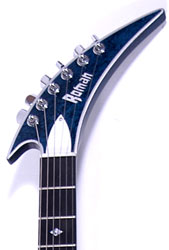
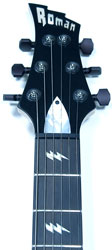
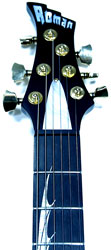
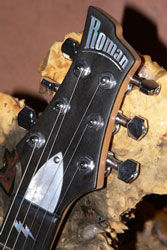
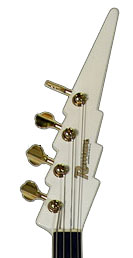
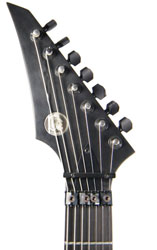
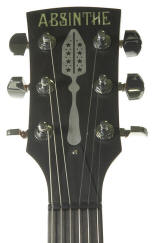
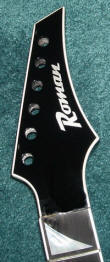
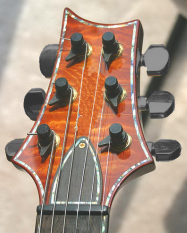

Abstract Headstocks

Abstract Headstocks

Home > All Guitars > Abstract Guitars & Basses
If You Can Dream It - Abstract Can Build It

Design Your Own Headstock

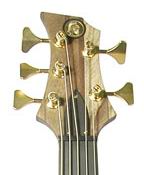
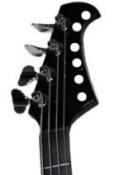
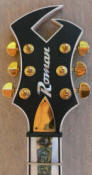
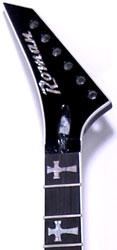
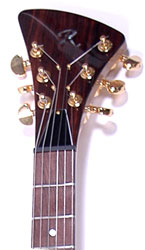
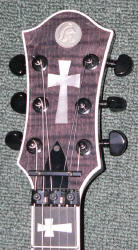
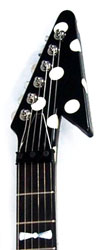
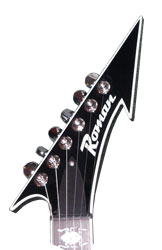
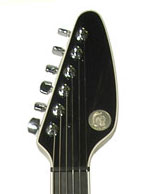
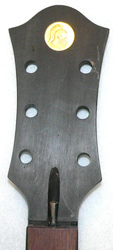
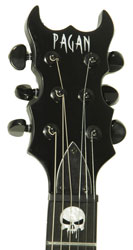
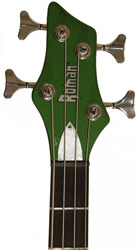
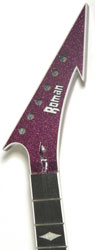
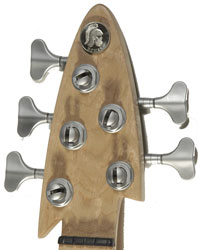
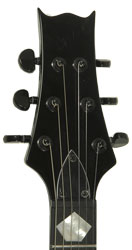
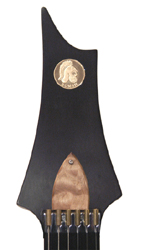
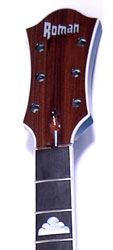
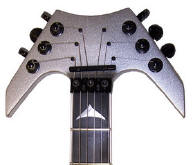
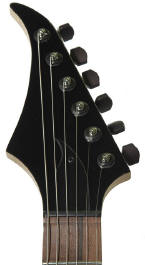
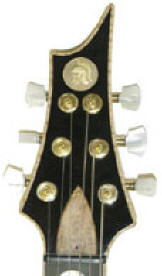
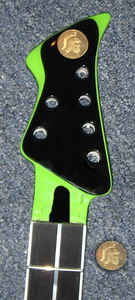
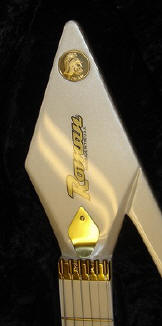
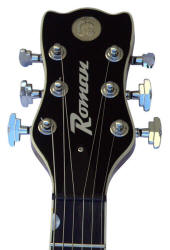
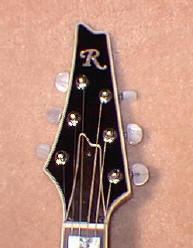
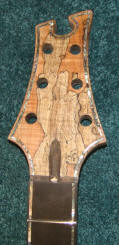
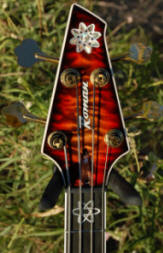
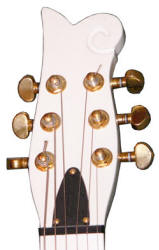
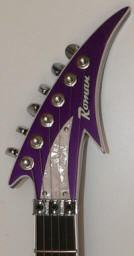
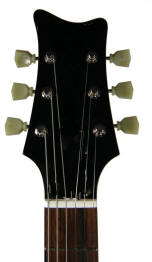
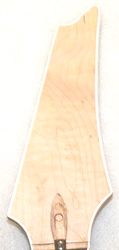
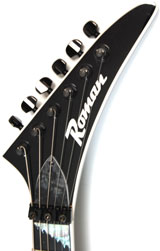
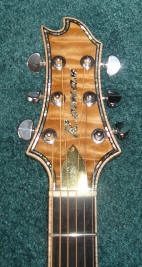
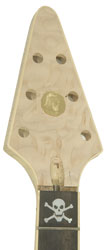
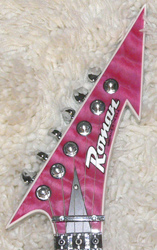
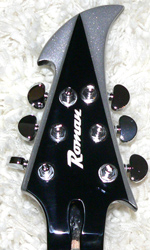
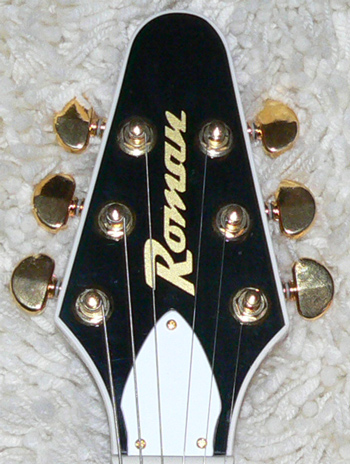
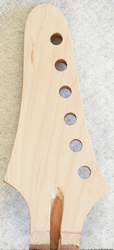
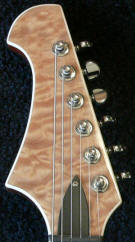
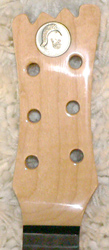
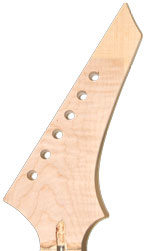
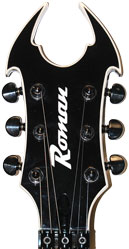
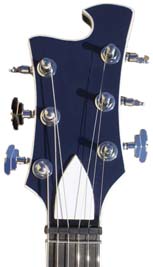
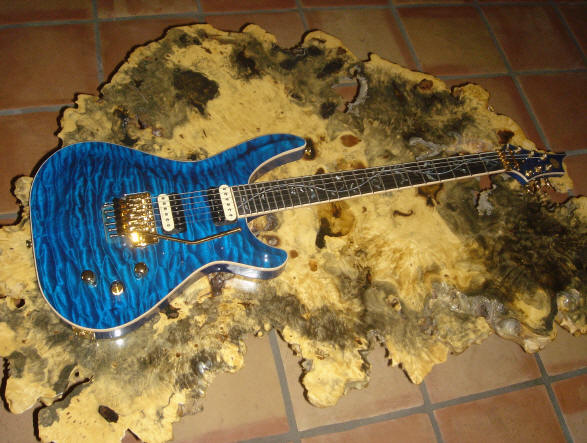
Abstract guitars offers numerous different headstock designs, eventually they will all be pictured here.  The reason there will be a page devoted to headstocks is to drive home the fact that any model may be ordered with any headstock.  In most cases it will not affect the prices. After all these are all custom made anyway.  

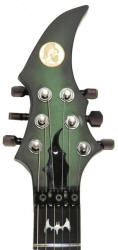
Angel Of Death  With Scorpion Headstock

SOME EXAMPLES OF HEADSTOCKS THAT ARE AVAILABLE

Bass Trad Headstock

Derringer Headstock

VICEROY HEADSTOCK 

Reverse Pointed Headstock

Avanti Headstock

Area 51 Headstock

Banana Headstock


Gumby Headstock

Pterodactyl Headstock

Quicksilver Style  1

Quicksilver Style  2

Quicksilver Style  3

Pagan Gothic Headstock Artist Headstock New Warpig Headstock

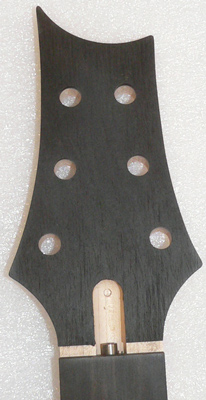
 PRS Style

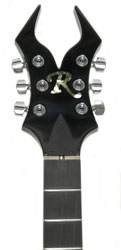
Demon Horns Headstock

Harpoon Headstock

  abstract guitar fang headstock
Pharaoh Headstock Fang Headstock Druid Headstock
Pagan Horn Headstock

Mysterion Headstock

Hellion Headstock
5 String Bass Headstock Dark Knight Headstock Centurion / Speedloader
Traditional Headstock Rockingbat Headstock Dime Headstock
 Enterprize Headstock Ace In The Hole  Caligula


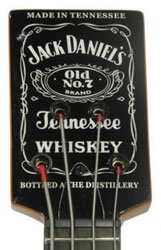
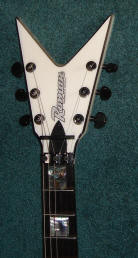
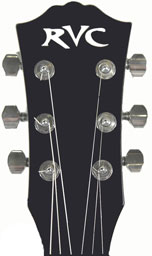
Whiskey Pete Vigilante Headstock RVC Headstock
foundation bass head stock
Foundation Headstock  Scorpion 7 String  Diddley Doo Wop
 

Scorpion Headstock Tri-axe Headstock  Shaman Headstock


Reverse Centurion Perpetrator Headstock


Kingpin Headstock
 
Cadillac Headstock Black Ice Headstock Omega Headstock
 
Phantazm Bass Cloud Headstock  Predator Headstock
BG 1 Headstock Black Fire Headstock  
Metal Fork Headstock Shaman Headstock !! Viper Headstock
Phantazm Headstock  V Twin Headstock  Shrieking V Headstock
Vulcan Headstock Man O War Headstock


Hollow Tear Drop Headstock
CUSTOM MADE GUITAR HEADSTOCKS
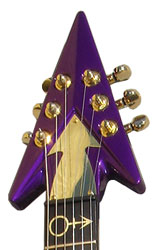
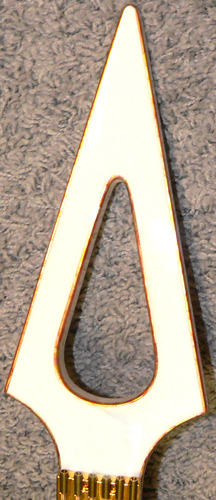
Arrow Headstock Arrow Variation

Rude Boy Headstock

Extenda Vee Teardrop

w/ Speed Loader

Extenda Vee  Headstock   Extenda Vee Headstock 
 
Reverse Scorpion Headstock    Ninja Headstock
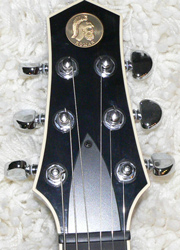
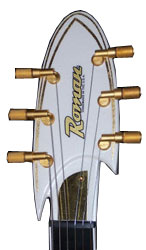
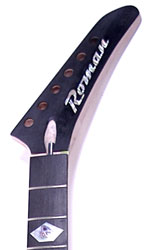
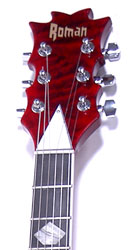
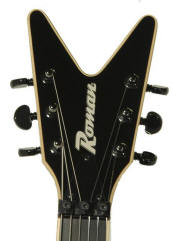
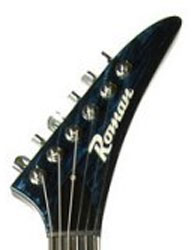
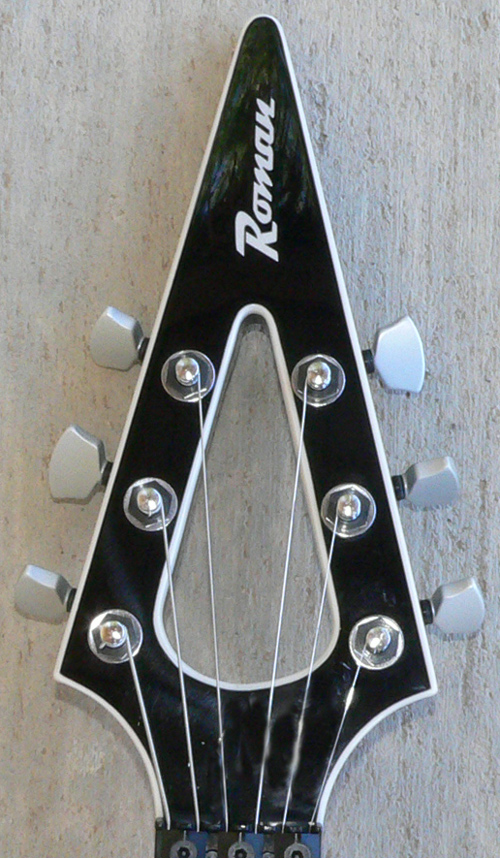
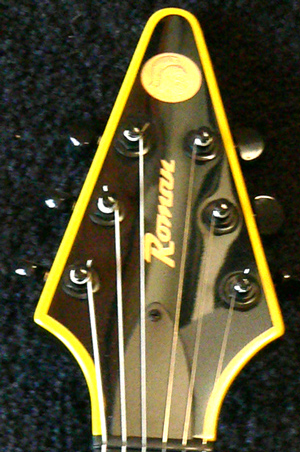
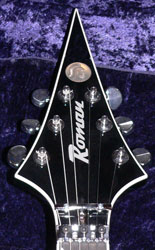
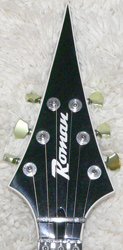
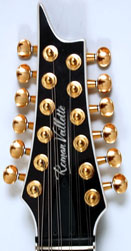
Roman Veillette Headstock

CBGB Headstock

Painkiller Headstock
   
Abstract Mutilator Headstock

.

.


Currently there are over 35 new headstock designs on the drawing board

All Headstocks Available on All Models


The scarf joint in wood

In woodworking, there are two distinctly different categories of scarf, based on whether the joint has interlocking faces or not. A plain scarf is simply two flat planes meeting on an angle relative to the axis of the stock being joined, and depends entirely on adhesive and/or mechanical fastening (screws, bolts, etc.) for all strength. Hooked, keyed, and nibbed scarfs are some of the many example of interlocking scarfs, offering varying degrees of tensile and compressive strength, though most still depend on mechanical fastening to keep the joint closed.

The plain scarf is not preferred when strength is required, so it is often used in decorative situations, such as the application of trim or molding. The use of modern high-strength adhesives can greatly increase the structural performance of a plain scarf.  Scarf joints are used on mass production guitars where the headstock angle dips far back


Major guitar brands have signature headstocks that make their guitars or guitar series easily recognizable. An unwritten law of the guitar industry allows copying of overall guitar body designs, but no major brand copies headstock designs. As seen in a section below, even "copied" at the first glance designs retain clear visible changes in dimensions, proportions of elements, etc, so it is almost always possible to tell a major brand of a guitar by looking at headstock.


  Fender-like curved 6-in-line headstocks


Many wood joinery techniques either depend upon or compensate for the fact that wood is anisotropic  its material properties are different along different dimensions.

Joining wood parts together must take this into account, otherwise the joint is destined to fail. Gluing boards with the grain running perpendicular to each other is often the reason for split boards, or broken joints. Furniture from the 18th century, while made by master craftsmen, did not take this into account. The result is this masterful work suffers from broken bracket feet, which was often attached with a glue block which ran perpendicular to the base pieces. The glue blocks were fastened with both glue and nails, resulting in unequal expansion and contraction between the pieces. This was also the cause of splitting of wide boards, which were commonly used during that period


sitemap